
What is the difference between hot bending and cold bending methods for ASTM A234 WPB 10D Bend?
Bending is the standard production process for these bends, entailing a pipe bending machine with correct alignment. An ASTM A234 WPB 10D bend can use either hot or cold bending. It is advantageous for maintaining flow efficiency in gas processing, specialty chemicals, and pharmaceuticals.
A grade WPB 10D hot induction bend gets produced via a combination of heating and mechanical power. In contrast, cold bending uses only physical force. It does not affect the thickness of the pipe – something that the former can trigger.
Notably, an ASME SA 234 Grade WPB 10D seamless bend does not have a weld seam on the surface. It can be a better pick for higher temperatures.
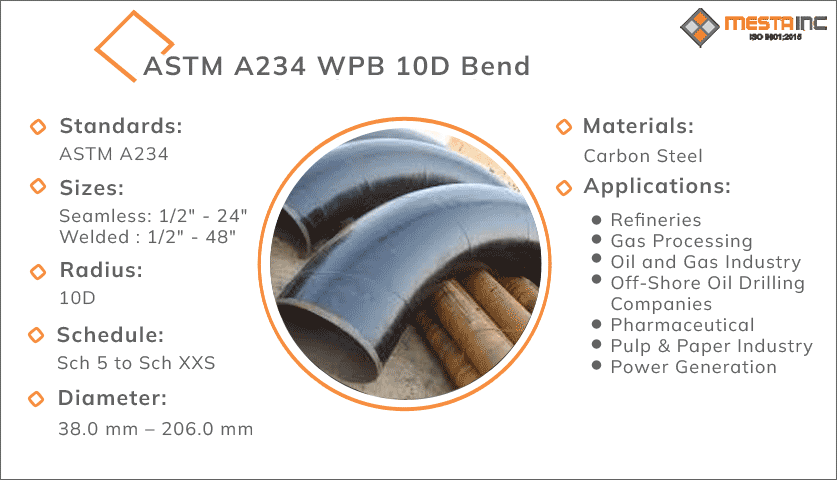
What are the application methods for applying coatings to an ASME SA 234 Grade WPB 10D butt weld bend?
Protective coatings help an ASME SA 234 Grade WPB 10D butt weld bend to resist corrosion upon exposure to moisture and caustic chemicals. Manufacturers offer galvanization, epoxy coating, powder coats, etc., for customers to select from.
The method of application will change by the technique. So, while epoxy fuses onto the surface by electrostatic spraying, galvanization needs immersion in molten zinc. A powder coat needs an electrostatic application technique followed by curing. You may also choose regular black paint – it depends on your specific situation and budget.
What are the specific applications of ASTM A234 WPB long radius 10D bend in power generation plants?
Power generation plants require bends that can handle elevated temperatures. An ASTM A234 WPB long radius 10D bend shows sturdiness, corrosion resistance, and durability over time. These bends can efficiently manage fluid flow in thermal power plants. Their salient uses are in steam and exhaust systems and condensate lines.
Nuclear power plants can also use these fittings. The long radius lends smoothness and consistency to the materials flowing through.
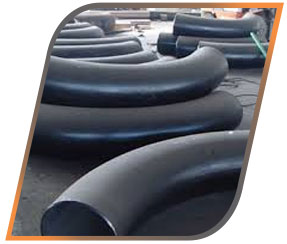
ASTM A234 WPB long radius 10d bend
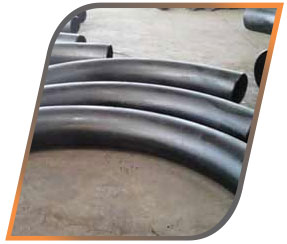
Grade WPB 10d butt weld bend
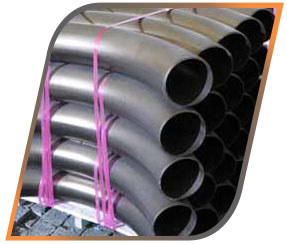
ASME SA 234 Grade WPB 10d seamless bend
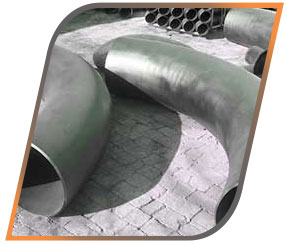
carbon steel Gr WPB 90 degree 10d bend

What are the dimensional specifications for SA 234 Grade WPB 10D butt weld bend?
These bends have a radius ten times the pipe diameter. An SA 234 Grade WPB 10D butt weld bend is a boon for long pipelines where maintaining flow consistency is crucial. The dimensions pertain to the centre-line measurement, the bend curvature, and the wall thickness.
Manufacturers produce these bends in sizes from 2 to 18 inches (or based on application-specific requirements). The bend radius varies from 75 to 1,500 mm (depending on the pipe diameter). Clients must specify the bend angle – 45, 90, 180 degrees, or others.
What is the maximum angle of deflection for a ASME SA 234 Grade WPB 10D seamless bend?
Diverse applications use different angles of curvature for bends. The standard options are 90, 45, and 180 degrees, with 90 enjoying the most popularity. An ASTM A234 WPB long radius 10D bend can deliver a maximum deflection angle of 150 degrees.
Clients can also order custom angles like 60 degrees, provided their application demands a unique curvature. Manufacturers can adapt a carbon steel SCH 40 A234 90 degree 10D bend to personalized needs.
What is the maximum allowable pressure for a Carbon steel Gr WPB 90 degree 10D bend?
The pressure-handling capacity of these bends is top-notch. A carbon steel Gr WPB 90 degree 10D bend is available with pressure ratings from 50 lbs to as high as 9000 lbs. It makes them excellent fits to high-pressure piping while maintaining consistency and efficiency.
Unsurprisingly, offshore oil drilling relies on a CS Grade WPB long radius 10D bend for long-term performance.